
For residents of Taunton, Massachusetts, Perfect Dental Taunton provides direct access to cosmetic solutions for chipped front teeth. Patients can choose between composite bonding for immediate, single-visit repairs or porcelain veneers for a more durable, long-term aesthetic enhancement. This guide explains how these two treatments work, who qualifies for each, and how to navigate the repair process at a local practice.
Composite Bonding for Chipped Teeth
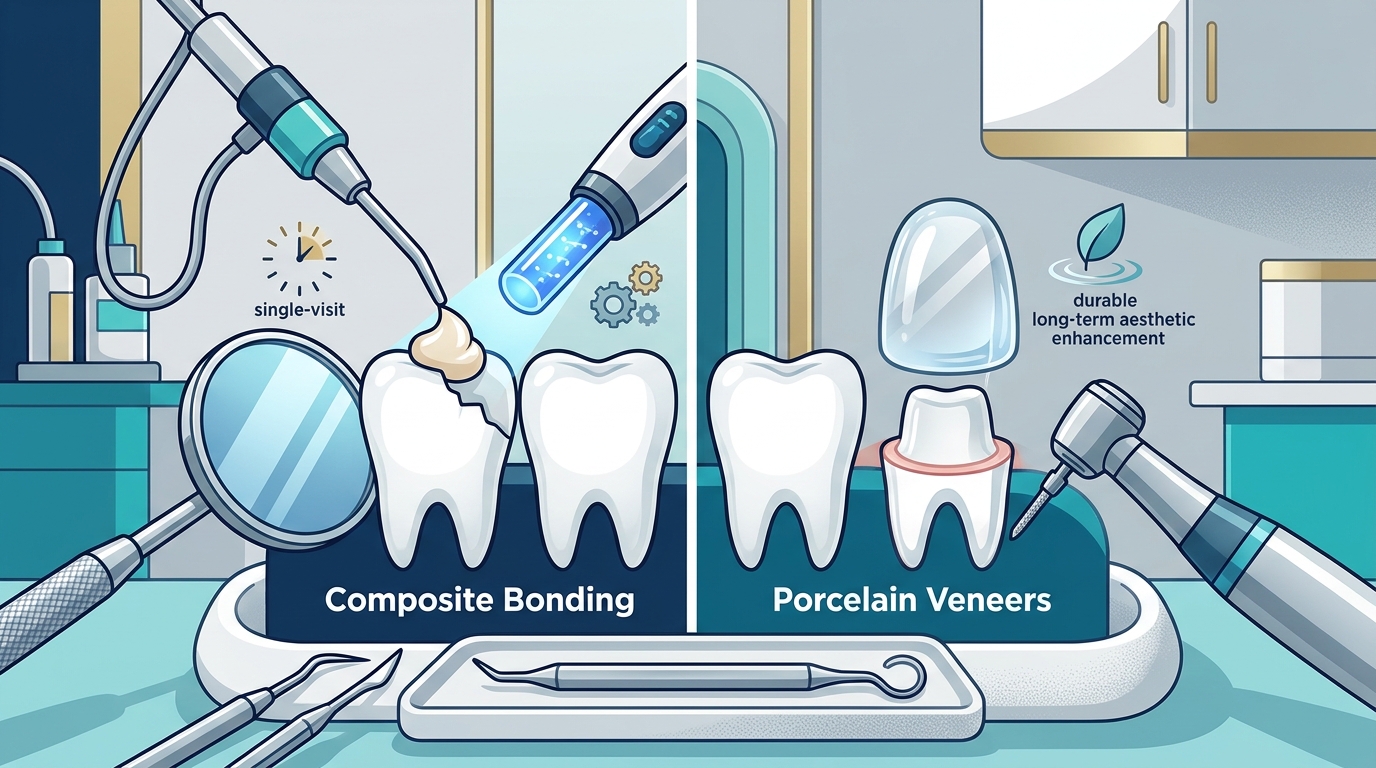
Composite bonding is a minimally invasive cosmetic procedure that uses a tooth-colored resin material to repair minor damage. The dentist applies the resin to the affected area, shapes it to match the natural tooth, and hardens it using a special light. This technique is often the first choice for small chips or cracks because it is completed in a single appointment and requires little to no removal of healthy tooth structure.
How the Bonding Process Works
The process begins with a thorough cleaning of the tooth surface to ensure proper adhesion. The dentist then applies the composite resin, which is initially soft and pliable. Using dental instruments, the provider sculpts the material to restore the tooth's original shape and size. Once the shape is finalized, a curing light is used to harden the resin. The final step involves polishing the surface to ensure a smooth finish that blends seamlessly with the surrounding teeth.
When Bonding Is the Right Choice
Bonding is ideal for patients with small to moderate chips, minor gaps, or slight discoloration. It is a cost-effective option that can significantly improve the appearance of a smile without the need for extensive preparation. However, composite resin is not as durable as porcelain. Over time, it may stain or chip again, particularly if the patient bites into hard foods or grinds their teeth. Regular maintenance and careful oral hygiene are essential to prolong the life of a bonded tooth.
Porcelain Veneers for Front Tooth Repair
Porcelain veneers are thin, custom-made shells that cover the front surface of teeth to improve their appearance. Unlike bonding, which adds material to the tooth, veneers require a small amount of enamel to be removed to create space for the restoration. This preparation allows the veneer to fit snugly and look natural. Veneers are a more permanent solution for patients seeking a significant aesthetic transformation.
The Veneer Placement Process
Getting porcelain veneers typically involves two to three visits. During the first appointment, the dentist prepares the teeth by removing a thin layer of enamel. Impressions or digital scans are then taken to create a model of the teeth. These impressions are sent to a dental laboratory, where the custom veneers are fabricated. The patient wears temporary veneers during this waiting period. At the final visit, the dentist bonds the permanent veneers to the teeth using a special adhesive and curing light.
Benefits of Porcelain Veneers
Porcelain is a highly durable material that resists staining better than composite resin. Veneers can last for many years with proper care, making them a long-term investment in your smile. They are also highly aesthetic, as porcelain mimics the light-reflecting properties of natural enamel. This makes them an excellent choice for patients who want a bright, uniform smile. While more expensive than bonding, veneers offer a more robust solution for larger chips or multiple teeth that need correction.
The Chipped Tooth Repair Process
When a front tooth is chipped, the first step is to schedule an evaluation with a dentist. At Perfect Dental Taunton, the clinical team will examine the tooth to determine the extent of the damage. They will assess whether the chip is superficial or if it extends into the dentin or pulp. This evaluation helps determine the most appropriate treatment plan, whether that is bonding, veneers, or another restorative option.
Immediate Care for a Chipped Tooth
If you chip a tooth, it is important to keep the area clean and avoid using that side of your mouth for chewing. If the chip is sharp, you can cover it with dental wax to prevent irritation to your lips or tongue. If you have a broken piece of the tooth, save it in a container of milk or saliva and bring it to your dentist. While the tooth may not be reattached, the dentist can use the piece as a reference for the shape and color of the restoration.
Choosing the Right Provider
Selecting a qualified dentist is crucial for achieving a natural-looking result. At Perfect Dental, providers are experienced in cosmetic dentistry and use modern techniques to ensure precision. The Taunton location offers a range of services, including dental bonding and porcelain veneers, allowing patients to address their concerns in one place. The practice focuses on clear communication, ensuring that patients understand their options and the expected outcomes before treatment begins.
Bonding vs. Veneers: A Comparison
Choosing between composite bonding and porcelain veneers depends on the severity of the chip, your budget, and your long-term goals. The table below summarizes the key differences between these two treatments.
| Feature | Composite Bonding | Porcelain Veneers |
|---|---|---|
| Durability | 5 to 7 years | 10 to 15 years or more |
| Stain Resistance | Moderate | High |
| Tooth Preparation | Minimal or none | Small amount of enamel removal |
| Number of Visits | One | Two to three |
| Cost | Lower | Higher |
| Best For | Small chips, minor gaps | Larger chips, multiple teeth |
Both options can produce excellent results, but the right choice depends on your individual needs. A consultation with a dentist can help you weigh these factors and select the treatment that best fits your situation.
Key Takeaways
- Composite bonding is a single-visit solution for small chips and minor cosmetic issues.
- Porcelain veneers offer a more durable and stain-resistant option for larger repairs.
- Bonding requires minimal tooth preparation, while veneers involve removing a small amount of enamel.
- Veneers typically last longer than bonding but come with a higher cost.
- Immediate care for a chipped tooth includes keeping the area clean and saving any broken pieces.
- Perfect Dental Taunton provides both bonding and veneer services for convenient local care.
- A professional evaluation is necessary to determine the best treatment for your specific case.
Frequently Asked Questions
How long does composite bonding last?
Composite bonding typically lasts between five and seven years. With good oral hygiene and careful habits, it can last longer. Regular dental checkups help monitor the condition of the bonded tooth.
Do porcelain veneers require tooth preparation?
Yes, porcelain veneers usually require the removal of a small amount of enamel to ensure a proper fit. This preparation is minimal but is irreversible, so it is important to discuss the implications with your dentist.
Can I eat normally after getting a bonded tooth?
You can eat normally after bonding, but you should avoid biting into very hard foods like ice or hard candy. These habits can cause the composite material to chip or break.
Are veneers permanent?
Once placed, veneers are considered a permanent restoration. They are bonded to the tooth and cannot be easily removed. If a veneer breaks or becomes discolored, it must be replaced.
How much does it cost to fix a chipped tooth in Taunton?
Costs vary depending on the extent of the damage and the treatment chosen. Bonding is generally less expensive than veneers. Insurance may cover part of the cost if the treatment is deemed medically necessary, but cosmetic procedures are often not covered. Contact your provider for a personalized estimate.
Will my insurance cover the repair?
Coverage depends on your specific plan. If the chip is the result of an injury, insurance may cover the repair. If it is purely cosmetic, coverage is less likely. Always verify your benefits with your insurance company before treatment.
Can I whiten my teeth after getting bonding or veneers?
It is best to complete any whitening treatment before getting bonding or veneers. Composite resin and porcelain do not respond to whitening agents. If you whiten your natural teeth later, the restorations may appear darker in comparison.
Next Steps for Taunton Patients
If you have a chipped front tooth, the first step is to schedule a consultation. At Perfect Dental Taunton, our team will evaluate your tooth and discuss the best options for your needs. Whether you choose the quick fix of composite bonding or the long-lasting solution of porcelain veneers, we are here to help you restore your confidence. Contact our office today to book your appointment and take the first step toward a healthier, more beautiful smile.